
The Talented Hands of the Turkaegean way of culture: The Artisan Towns of İzmir
Bergama

The Aegean province of İzmir is famous for its many authentic Turkish handicrafts. From traditional quilting to the wearable art of felting there’s an ongoing centuries-old production of artifacts in the region which are sure to appeal to your heart and eye. With their vibrant colors and meaningful designs, local handicrafts stand out as the beautiful products of years of diligent practice and hard work.
Oriental rugs of Bergama

The city of Bergama, in İzmir Province, lies nearby its famed predecessor, the ancient city of Pergamon. The settlement of this region is believed to have begun in the 5th century BCE, while the region gained significance in the Hellenistic period, and especially in the 320s B.C.E. The remains of the ancient city, including an acropolis, can be found on a lofty hill northwest of the today’s Bergama whereas the Roman ruins lie under the modern city.

The carpets and kilims of Bergama are among its famous tangible heritage, and have a long tradition and distinguished history. From the 11th century onwards, this tradition has been passed down from one generation to the next through the master-apprentice relationship and family bonds, and was especially popularized during the Ottoman period when the Ottoman sultan commissioned a series with special designs.
Ödemiş

Kız Bergama, a type of carpet that tells a story of the Yağcıbedir tribe, is a famous example. The story is that of a young man from the Yağcıbedir tribe who fell in love with a young nomad woman. Her family, however, did not approve of their love, and this gave rise to a family feud. A family member from the girl’s side killed the young man, and in total despair and to overcome her sorrow, she started to weave... The pattern she copiously created is now a common type of Yağcıbedir carpet created in Bergama.
Silk weaving in Ödemiş

Ödemiş, a rural district in the province of İzmir that has been home to several civilizations like the Phrygians, Persians, Romans, Byzantines, and Ottomans, has developed a multicultural layout and retained its local character in the globalizing world. Local residents have introduced and produced numerous artistic products, ranging from woodwork to Ottoman miniatures, an exquisitely detailed style of miniature painting.
Ödemiş oya or multicolored needle lace

From time immemorial, silk has been a symbol of wealth and status for royal families and elites.
Felting in Ödemiş

Oya, or embroidery, ornamented the cultural landscape of the late Ottoman times, decorating clothes, handkerchiefs, and even costumes of traditional dancers. This handiwork was largely produced using silk thread - nowadays nylon thread is used – and therefore it held a prominent place in Ödemiş, the very heart of silk production in Türkiye.
Menderes

Known as “keçe” in Turkish, felting is an ancient craft that dates back to the Bronze Age. Felt is believed to be the world’s oldest textile, meaning it is older than both weaving and knitting, and is made by matting, condensing, and pressing wool.
Menderes nazar boncuğu

Menderes or, as it was once called, Cumaovası is one of the best Aegean district to experience arts and culture to the fullest. The district center is believed to have been first settled in the Byzantine period, but the ruins in the surrounding area date from even earlier periods. Similar to other districts we’ve covered so far, several ancestral handicraft traditions are preserved and sustained within the region’s borders.
Menemen

Perhaps one of the first things to come to mind when “one thinks of Aegean coast of Türkiye” is the nazar boncuğu or evil eye – a blue glass bead sometimes shaped to resemble an eye hat is believed to ward off evil.
Menemen pottery

Menemen, a town in the province of İzmir, is famous primarily for its menemen dish, strawberries, pottery, and ceramic jugs. Green living and slow life are greatly respected and lovingly followed in Menemen, but here we will focus instead on its pottery tradition which is an essential part of local culture.
Seferihisar

Pottery, or çanak çömlek as it’s called in Türkiye, has been practiced in İzmir’s Menemen district for centuries and has formed an indispensable source of income for locals. The Menemen Plain’s soil is suitable for pottery making, and has abundantly provided locals the raw material for pottery production.
Sığacık Bazaar

Seferihisar was the first Turkish town to be included in the Cittaslow network, a movement whose criteria include the “encouragement and preservation of artisan and traditional skills.” It comes as no surprise then that we can find some perfect examples of artisan craftsmanship and the slow food philosophy here!
Arts and culture in Seferihisar

Seferihisar’s Sığacık Bazaar with stalls abundant in local organic products retains the slow food philosophy and takes important steps in preventing the disappearance of local food cultures and traditions. Here you can try local delicacies that perfectly reflect the food culture of Sığacık and the whole Aegean region. You’ll also find handmade jewelry and clothes that deserve your attention.
Urla

Seferihisar pays a lot of effort to encourage and preserve its traditional skills. This Cittaslow town hosts plenty of art camps, which are joined by hundreds of people eager to create art, including sculpture, painting, and ceramic products. Home to the ancient city of Teos, a former artistic center, Seferihisar offers a whole range of opportunities to satisfy the artist in you.
Pottery in Urla

İzmir’s coastal town of Urla is widely celebrated for its attention to the slow food philosophy and its endeavors to preserve the place of artichokes in the Aegean culinary culture. Yet, there are many more aspects of the region that usually go unnoticed such as its production of high-quality pottery and the abundance of olive oil products.
Olive oil soap

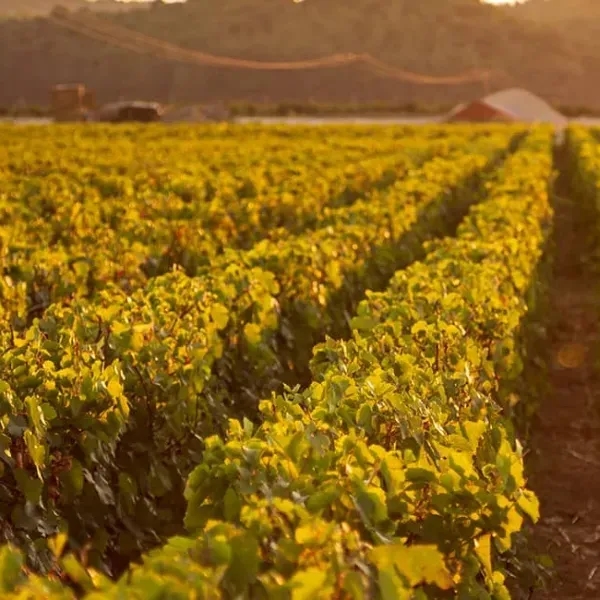
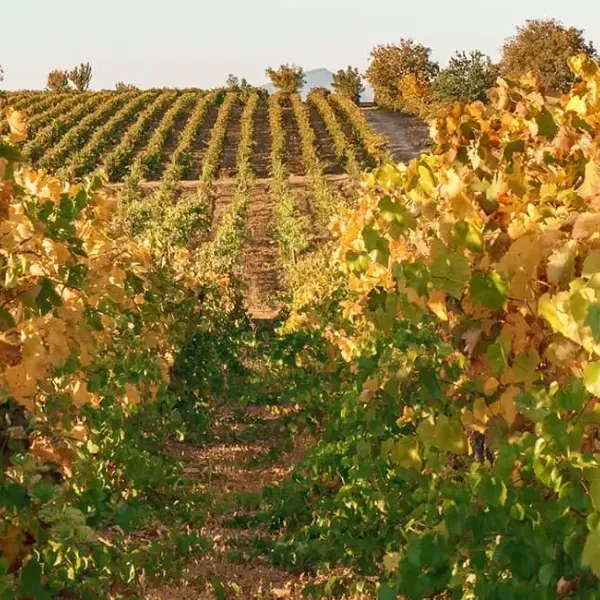
At the heart of İzmir Province, Urla is blessed by nature and famed for its culture Apart from its world-renowned cycling and vineyard routes, the town of Urla produces beautiful artisan pottery and hosts several workshops where you can try your hand at this ancient craft.
Tire

Urla strives for excellence in keeping the centuries-old tradition of olive production alive and strong. At the moment only the olive oil from Milas in Türkiye’s Muğla Province has earned a geographical indication from the EU, but it is without a doubt that several other regions deserve the same title and recognition.
Tire fabric and beledi dokuması

Famed primarily for its Ottoman mosques, İzmir province’s Tire district was once home to the Hittite, Phrygian, Lydian, Persian, Roman, and Byzantine civilizations. Tire’s reputation
Quilting in Tire

The town of Tire produces numerous wools, cotton and silk fabrics, and even has a weaving technique of its own known as beledi dokuması. In the past, fabrics woven using this technique found themselves a place in Ottoman and European palaces, and to this day, are widely preferred for their durability.
Nalıncılık in Tire

It’s an centuries-old tradition in the town of Tire to sleep under a satin quilt embroidered with traditional motifs. Here, you can come across Turkish ustas (masters) who still practice the art of quilting in their quaint, colorful shops.
Like Ödemiş, Tire is known for its centuries-old tradition of felting. There’s a wide range of products that combine this traditional handicraft with modern designs – don’t forget to purchase some local felt products to bring back home!